
Shockwave therapy is an effective, fast-acting, non-surgical treatment for soft tissue injuries. The treatment works by delivering pulses of energy to damaged tissue, which helps increase blood flow in the affected area. This stimulates repair and healing and helps reduce pain. If you are considering shockwave therapy, there are some things to bear in mind to ensure your treatment works as successfully as possible. Longevity of the treatment may be longer than one year unless the area has a new injury.
Why Choose Shockwave Therapy?
If you have ongoing pain related to an injury and are looking for an effective nonsurgical treatment to relieve your symptoms, shockwave therapy may be an option to explore. Extracorporeal shock wave therapy (ESWT) is a safe, non-invasive, and clinically proven treatment that uses a probe to transmit shockwaves directly through the skin to target specific areas of damaged tissue. The shockwaves delivered during treatment initiate a controlled inflammation-type response within the injured tissue to trigger the body to respond naturally and promote healing, thereby helping relieve pain and other symptoms.
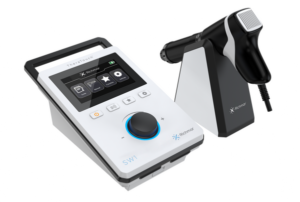
Richmar shockwave therapy, a form of extracorporeal shock wave therapy (ESWT), uses acoustic shock waves to target injuries at varying depths to compress and manipulate the tissue. This leads to an increase in blood circulation within the affected area, stimulating cell regeneration and other key components to accelerate the healing process, and helping reduce pain felt by the nerve fibers.
Each treatment session usually takes approximately 5-10 minutes. One region 6-8 inches will be done per visit. Treatment is not considered painful, but some patients may experience slight discomfort during the treatment session. Patient may resume normal activities post-treatment to their tolerance.
What Conditions Can Shockwave Therapy Treat?
Shockwave therapy is a fast and effective treatment for acute and chronic pain in tendons, muscles, and joints. During treatment, shockwaves target the damaged tissue and work to alleviate pain and muscle tightness and improve the range of motion by eliminating adhesions. Shockwave therapy can be an effective treatment for most tendon disorders and a range of other conditions, including:
- Plantar fasciitis
- Rotator cuff injuries
- Achilles tendonitis
- Hamstring injuries
- Tennis elbow
- Golfer’s elbow
- Myofascial pain syndromes and trigger points
- Muscle strains
- Hip and knee tendonitis and bursitis
- Scar tissue
- Jumper’s knee
- Shin splints
What Not To Do After Shockwave Treatment
Your provider will let you know how to prepare for shockwave therapy and give you aftercare instructions for your procedure. It is important to follow the guide to get the most out of your treatment. Let your provider know prior to treatment if you have a circulation, bone, or nerve disorder, signs of a wound or infection, are pregnant or are taking any medications, as shockwave therapy may not be suitable for you.
To get the most from shockwave therapy, you should try to rest the treated area for 24 hours before and after your treatment. There are also certain things that should be avoided before and after treatment, including:
- Avoiding steroid medications, such as cortisone shots, prednisone, and Medrol dose packs for a minimum of 4 -8 weeks prior to treatment, as these can hinder your body’s ability to heal.
- Avoiding the use of steroid medicationst, as they can block the intended effects of the healing process. (If you experience discomfort following treatment, Tylenol can be taken safely.)
- Normal day-to-day activities and light exercise can usually be resumed soon after the procedure but certain activities should be avoided, such as strenuous exercise, heavy lifting, or high-impact activities, as they may reduce the effectiveness of treatment and may hinder your recovery.
- To ensure that you achieve your desired outcomes, you should follow aftercare guidance, including any prescribed rehabilitation exercises.
What Are The Benefits of Shockwave Therapy?
Shockwave therapy is a fast, effective, non-invasive, and affordable treatment that can accelerate and stimulate the healing and regeneration of bone, tendon, ligament, and many other tissues. It can offer patients a range of benefits, particularly when an injury does not respond to physical therapy alone or to other conservative treatments.
Because there are no side effects or long-term implications associated with it, shockwave therapy can be a great alternative to other pain relief treatments, such as steroid injections, dryneedling, or muscle scraping. Treatment may also eliminate the need for medications and more aggressive treatments such as surgery.
What Results Can I Expect?
After treatment, some patients experience an immediate improvement in symptoms such as pain reduction and an increased range of motion. However, in some cases, it can take several weeks to feel the full benefits of shockwave therapy. Most patients (especially those affected by tendon issues) report improved functionality and a better quality of life after receiving a course of shockwave therapy treatments. For optimal results, only one region of the body is treated at time. For example, shoulder and neck is one region and the lower back and hip would be a second region.
Because no anesthetic or medication is required, there is no risk of irritation, swelling, or bruising that often accompanies many other treatment therapies, but it is not uncommon to experience some minor soreness or aching in the treated area a few hours after the session. This may last a few hours to a couple of days and is seen as a positive sign that the healing response has begun and should gradually decrease as the area heals.
Depending on the type, location, and severity of your injury, multiple treatments may be required to achieve desired results. Often, 4-6 sessions are necessary for a total, with 1-2 sessions per week for 3-6 consecutive weeks.
Patient cost?
Because insurance does not cover this therapy, this is the fee schedule which is in addition to your adjustment. This procedure is done in conjunction with an adjustment to make sure the nerve and blood flow to the area is optimal.
First visit is FREE
3 Treatments for $180 ($60 each)
6 Treatments for $300 ($50 each) may be used on a second area if the intial area resolves in less visits.
8 Treaments for $320 ($40 each) recommended if you have multiple areas you want worked on.